
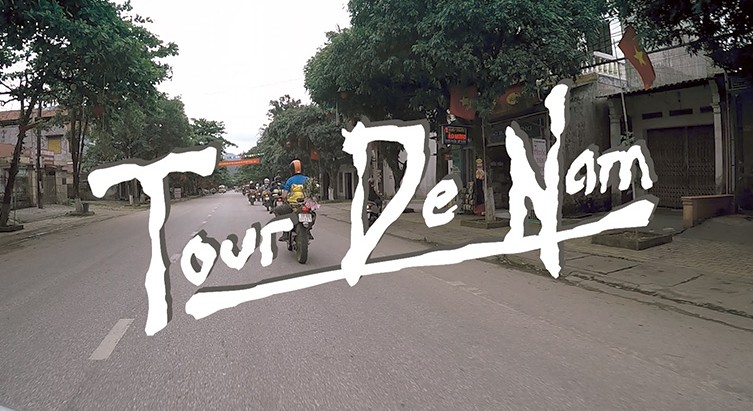
TOUR DE NAM with Transmoto
Transmoto‘s Andy Wigan joins a posse of Aussie dirt bike diehards for an epic 11-day, 2700km journey of discovery along Vietnam’s borders with China and Laos.
For more of an insight into the never-ending winding road that is the socialist Republic of Vietnam, and the pleasures of exploring it via motorcycle, grab yourself a copy of Transmoto’s July-August issue (#51) and visit Cuong’s Motorbike Adventure tour’s website.

Northwest Vietnam Motorbike Tours | Guided On-Road & Off-Road Adventures
Northwest Vietnam Motorbike Tours
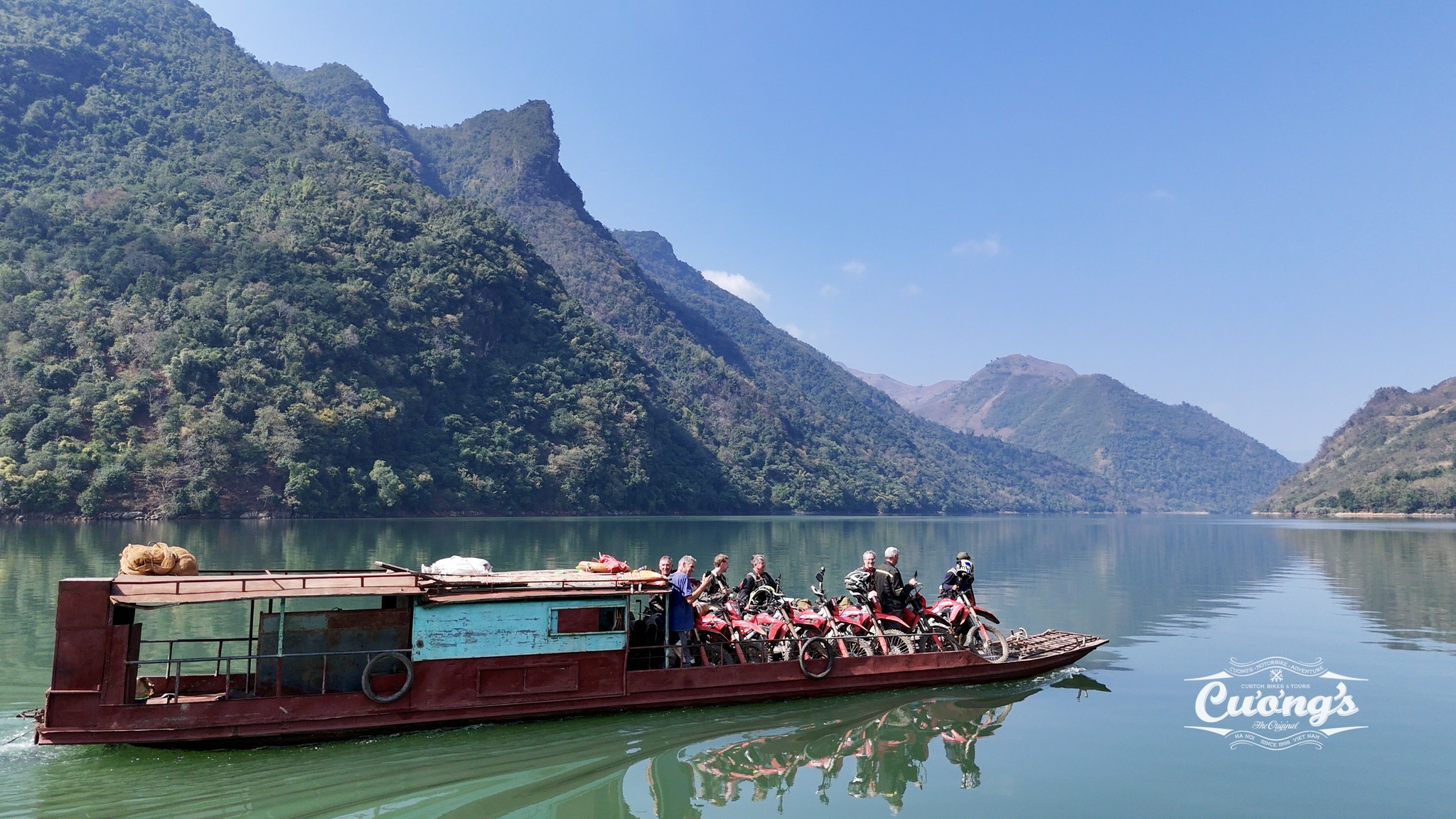
Northwest Vietnam motorbike tours take riders into some of the most scenic and rewarding mountain landscapes in the country. From the terraced rice fields of Mu Cang Chai to the high roads around Sapa, this region is ideal for riders looking for dramatic scenery, quieter roads, and a deeper experience of northern Vietnam beyond the main tourist trail.
At Cuong’s Motorbike Adventure, our Northwest routes include both scenic guided on-road motorbike tours and more technical off-road motorbike tours in Vietnam. All of our adventures are fully guided, all-inclusive, and professionally supported, making them suitable for riders who want real adventure with expert local backup.
What Is a Northwest Vietnam Motorbike Tour?
A Northwest Vietnam motorbike tour is a multi-day guided ride through the mountain provinces west and northwest of Hanoi. Depending on the route, riders may travel through Mai Chau, Pu Luong, Moc Chau, Tu Le, Mu Cang Chai, Bac Ha, Lao Cai, and Sapa, following a mix of mountain roads, remote valleys, hill-tribe villages, and high passes.
Compared with more heavily traveled routes, Northwest Vietnam feels broader, quieter, and more remote. It is a strong choice for riders who want scenic riding, cultural variety, and long days on some of the best mountain roads in Vietnam.
Why Ride Northwest Vietnam by Motorbike?
Northwest Vietnam is one of the best regions in the country for a longer motorcycle journey. The scenery changes constantly, with limestone valleys, tea hills, forest roads, mountain passes, and rice terraces that are especially striking around Mu Cang Chai and the Sapa region.
- High mountain roads with less traffic than many better-known routes
- Terraced rice fields and seasonal landscape changes
- Ethnic minority villages and local markets
- Options for both scenic paved riding and serious off-road exploration
- Excellent route combinations with Sapa Loop motorbike tours and longer northern expeditions
Types of Northwest Vietnam Motorbike Tours
Guided On-Road Northwest Vietnam Tours
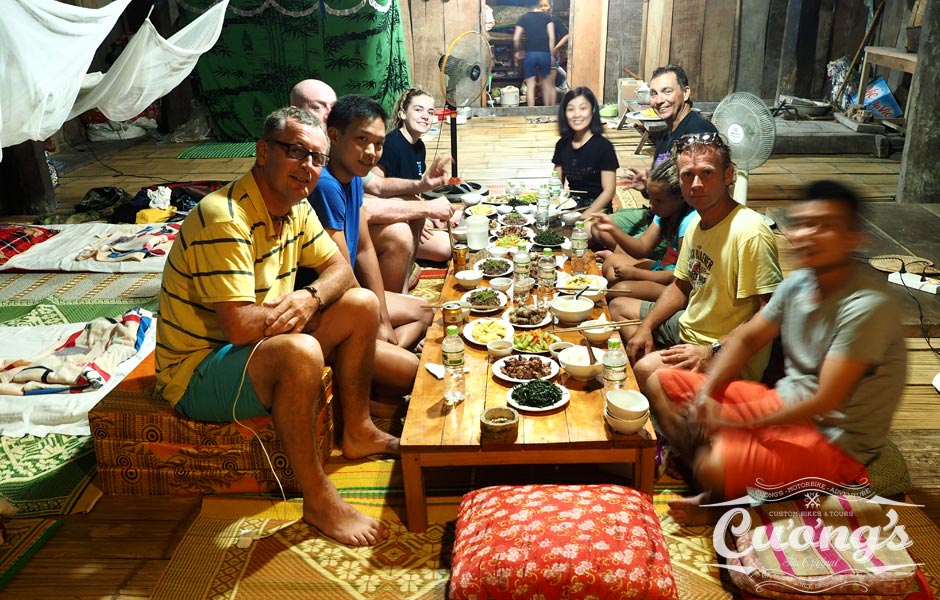
Our guided on-road Northwest Vietnam motorbike tours are ideal for riders who want spectacular scenery, mountain passes, and cultural travel on mostly paved roads. These routes suit confident riders who prefer long scenic riding days rather than highly technical terrain.
Good choices include the Northwest Vietnam Motorbike Tour 6D 6N and the Northwest Vietnam On-Road Tour by Honda CB500X or our Mai Chau 2 Day Ride
Northwest Vietnam Off-Road Motorbike Tours
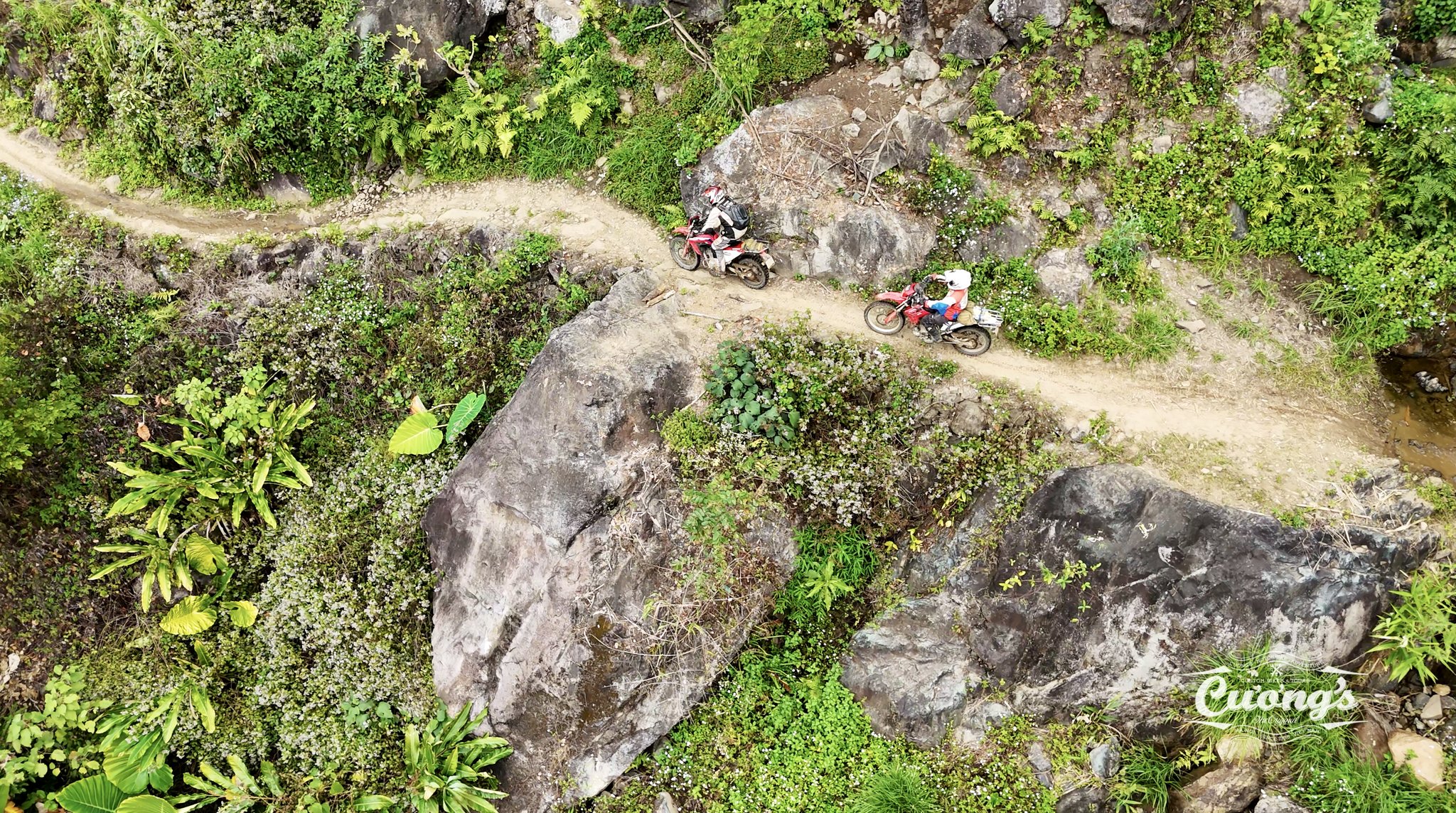
For experienced riders, Northwest Vietnam also offers some of the most challenging dirt riding in the country. These tours can include jungle tracks, river crossings, mountain trails, rough backroads, and isolated sections far beyond the standard tourist circuit. A shorter Pu Luong Mai Chau Off-Road Motorbike Tour 4 Days and Northwest Off-Road Ride 8 Days
Riders looking for a more technical expedition should see the Northwest Vietnam Off-Road Motorbike Tour and the Northern Vietnam Off-Road Loop.
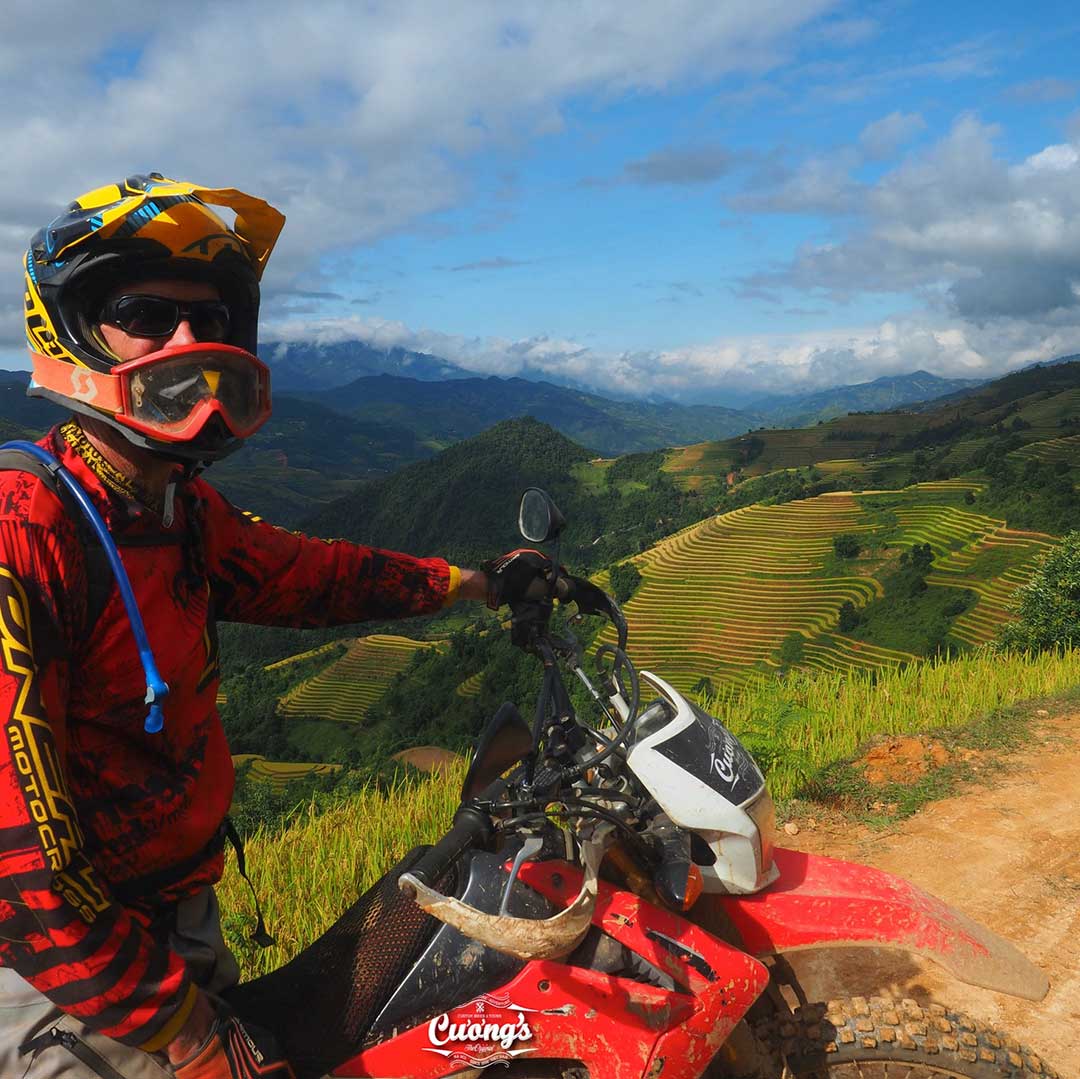
Sapa and Northwest Loop Options
The Northwest region also works very well for shorter scenic loops. The Sapa Loop Motorbike Tour
is a strong option for riders who want mountain scenery, local culture, and a shorter guided ride linked to Lao Cai and the Hoang Lien Son range.
A shorter ride can take you to Mai Chai for a quick 3 Days ride, or a Northwest On-Roand Tour 6 Days
Popular Northwest Vietnam Routes
Depending on the itinerary, a Northwest Vietnam motorbike tour may include a mix of the following regions:
- Mai Chau and Pu Luong: accessible mountain riding with scenic valleys and rural villages
- Moc Chau: tea hills, rolling countryside, and gateway riding west of Hanoi
- Tu Le and Mu Cang Chai: some of Vietnam’s most famous rice terrace landscapes
- Bac Ha and Lao Cai: mountain roads, market towns, and links toward Sapa
- Sapa: high-altitude scenery, mountain roads, and a classic finish for longer Northwest routes
Riding Difficulty and Terrain
Northwest Vietnam offers a wide range of riding conditions, so choosing the right route matters.
| Tour Style | Terrain | Best For | Difficulty |
|---|---|---|---|
| On-road tours | Mostly paved mountain roads, passes, valleys, village roads | Intermediate riders, photographers, scenic travelers | Moderate |
| Off-road tours | Dirt tracks, river crossings, mountain trails, rough backroads | Experienced off-road riders | Challenging |
| Sapa loop routes | Scenic roads with some light adventure sections depending on route | Riders wanting a shorter mountain tour | Moderate |
Who These Tours Are Best For
- Riders who want mountain scenery and quieter roads than more crowded routes
- Travelers looking for a guided Vietnam motorbike tour from Hanoi into the northern highlands
- Photographers interested in rice terraces, passes, villages, and seasonal landscapes
- Experienced riders wanting a serious Northwest Vietnam off-road expedition
- Couples or private groups who want a fully supported custom adventure
Why Ride Northwest Vietnam with Cuong’s Motorbike Adventure?
Our Northwest Vietnam motorbike tours are not budget tourist rides. Every tour is built as a guided adventure with local route knowledge, safety planning, and professional support throughout the journey.
- Fully guided, all-inclusive tours
- Experienced road captain and local riding team
- Mechanic support on demanding routes
- Well-maintained bikes including dual-sport and adventure models
- Scenic on-road and serious off-road options in the same region
- Small-group and private departures available
Related Tours in Northern Vietnam
If you are comparing northern routes, you may also want to explore our
Ha Giang motorbike tours,
the
Pu Luong off-road motorbike tour,
and the
full Vietnam motorbike tours collection.
Frequently Asked Questions About Northwest Vietnam Motorbike Tours
Is Northwest Vietnam better than Ha Giang for a motorbike tour?
They offer different experiences. Ha Giang is more famous and more concentrated, while Northwest Vietnam gives riders a broader mountain journey with longer distances, quieter roads, and strong route variety.
Are Northwest Vietnam motorbike tours suitable for intermediate riders?
Yes, many on-road Northwest tours suit intermediate riders. Off-road routes are better for experienced riders with technical dirt experience.
What is the best time to ride Northwest Vietnam?
Spring and autumn are usually the most comfortable seasons for mountain riding, while the rice terrace periods around Mu Cang Chai can be especially attractive for photographers.
Do your Northwest Vietnam tours include support?
Yes. Our tours are fully guided, all-inclusive, and professionally supported, with route planning and on-tour assistance built into the experience.
Plan Your Northwest Vietnam Motorbike Tour
Whether you want a scenic mountain road adventure, a Sapa loop, or a demanding off-road expedition, our Northwest Vietnam motorbike tours offer some of the best riding in the country. Contact us to choose the right route based on your riding level, available time, and the style of trip you want.

How Difficult is the Ha Giang Motorbike Tour? (Full Guide)
How Difficult is the Ha Giang Motorbike Tour? (Full Rider Guide)
The Ha Giang motorbike tour difficulty ranges from moderate to highly technical depending on the route, terrain, and weather conditions.
Ha Giang Motorbike Tour Difficulty Overview
There are two main types of riding experiences in Ha Giang:
1. On-Road Ha Giang Tours
These routes are suitable for intermediate riders. Roads are fully paved but include:
- Sharp mountain switchbacks
- Steep elevation changes
- Narrow cliff-edge roads
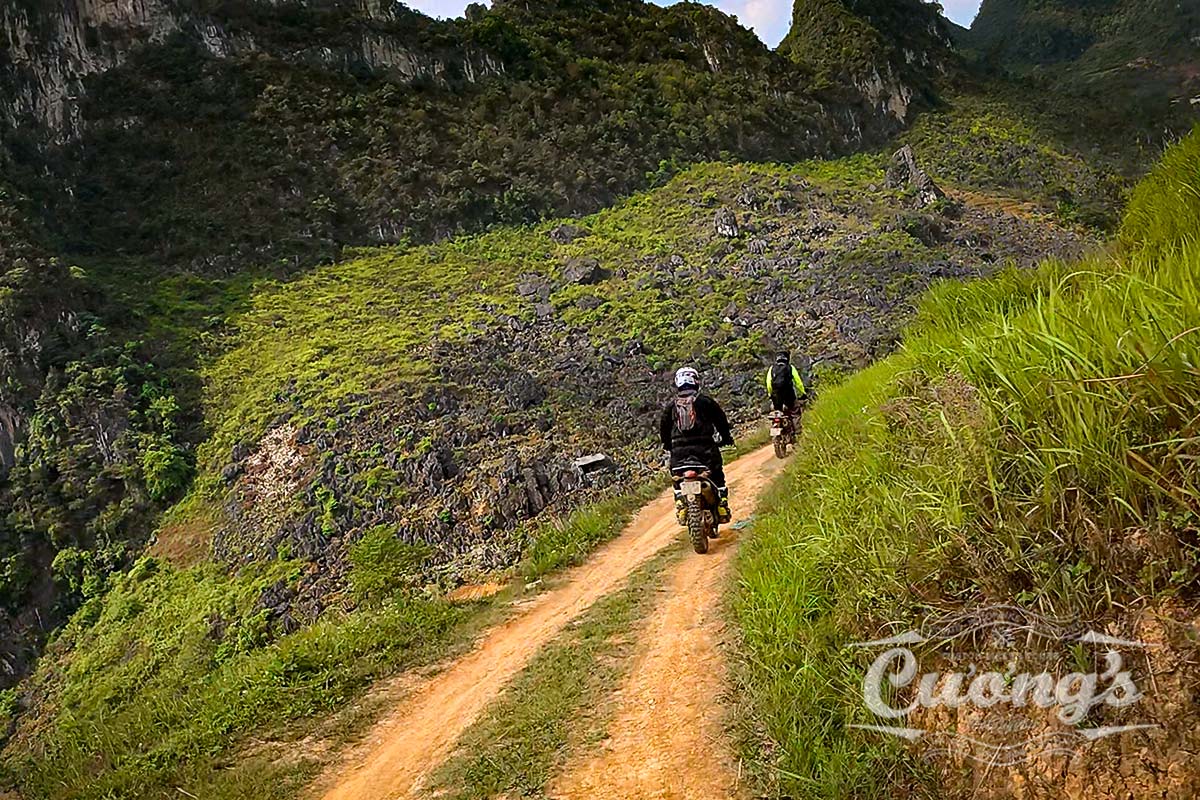
2. Off-Road Ha Giang Tours (Advanced Riders Only)
Off-road routes are designed for experienced riders only and require strong bike control.
- River crossings
- Single track trails
- Loose gravel and mud
- Rocky mountain paths
- Remote border routes
👉 Explore full expedition:
Ha Giang Off-Road Border Ride

Daily Riding Time
Most riders spend 5–8 hours per day on the bike depending on terrain and route difficulty.
Terrain Breakdown
- On-road tours: 100% paved mountain roads
- Off-road tours: 40–70% dirt trails
- Includes river crossings and technical sections
Who Should Ride the Ha Giang Loop?
- Beginner riders: Guided on-road tours only
- Intermediate riders: Full loop with support
- Advanced riders: Off-road expeditions
Why Our Ha Giang Tours Are Different
Our tours are designed for safety and flexibility:
- Professional guide + mechanic support
- Ride at your own pace
- No pressure riding environment
- Small group experience

Conclusion
If you’re unsure about your skill level, choosing a guided Ha Giang motorbike tour ensures maximum safety and enjoyment.
Not sure if you’re ready? Join our guided tours with full support crew and ride safely through Ha Giang.

Ha Giang vs Northwest Vietnam Motorbike Tour – Which is Better?
Ha Giang vs Northwest Vietnam Motorbike Tour – Which is Better?
Ha Giang is best for dramatic mountain landscapes and adventure riding, while Northwest Vietnam offers smoother roads, rice terraces, and a more relaxed experience.
Choosing between a Ha Giang motorbike tour and a Northwest Vietnam motorbike tour is one of the most common decisions for riders planning a trip in Vietnam. Both regions offer incredible landscapes, cultural experiences, and unique riding conditions, but they are very different in style.
Ha Giang is known for its dramatic limestone mountains, remote border roads, and more technical riding routes, while the Northwest offers rolling valleys, rice terraces, and smoother, more relaxed roads. This guide compares both regions in detail to help you choose the best Vietnam motorbike tour for your experience level and travel style.

Ha Giang Motorbike Tour
- Dramatic limestone mountains
- Famous Ha Giang Loop
- Border roads near China
- More technical riding options
👉 Best for adventure riders:
Ha Giang Off-Road Tour

Ha Giang vs Northwest Vietnam – Key Differences
| Feature | Ha Giang | Northwest Vietnam |
|---|---|---|
| Landscape | Limestone mountains, deep valleys | Rice terraces, rolling hills |
| Riding Style | More technical and adventurous | Smoother and more relaxed |
| Difficulty | Intermediate to advanced | Beginner to intermediate |
| Tourism | Less developed, more remote | More accessible and comfortable |
| Best For | Adventure riders | Scenic touring |
Which Should You Choose?
Choose Ha Giang for intensity and adventure. Choose Northwest for scenery and comfort. Both are among the best Vietnam motorbike tours.
Explore Ha Giang and Northwest Motorbike Tours
If you are looking for a more challenging adventure, explore our
Ha Giang off-road motorbike tour
for a full border ride experience.
For a more relaxed scenic journey, check out our
Northwest Vietnam motorbike tour
through rice terraces and mountain valleys.
👉 Learn more:
Ha Giang Motorbike Tour Guide

Which One Should You Choose?
- Choose Ha Giang if:
- You want adventure
- You like technical riding
- You want remote border regions
- Choose Northwest if:
- You want comfort
- You prefer scenic riding
- You are less experienced
Riding Difficulty Comparison
- Ha Giang: medium → high
- Northwest: low → medium-high
Scenic Highlights Comparison
- Ha Giang: Dong Van Plateau, Ma Pi Leng Pass
- Northwest: Mu Cang Chai, Sapa, Mai Chau
Still Not Sure?
Still not sure? Contact us and we’ll recommend the best Vietnam motorbike tour based on your riding experience.

Best Time to Ride Ha Giang Motorbike Tour (2026 Guide)
Best Time to Ride the Ha Giang Motorbike Tour (2026 Guide)
The best time to ride the Ha Giang motorbike tour is from September to April, when weather is dry, visibility is clear, and road conditions are safest.
The best time to ride the Ha Giang motorbike tour depends on weather conditions, visibility, and road safety. Located in Northern Vietnam, Ha Giang experiences distinct seasonal changes that can significantly affect riding conditions, especially on mountain roads and off-road routes. Understanding when to visit is essential for planning a safe and enjoyable ride.
Whether you are planning a full expedition or a shorter loop, this guide breaks down the best months to ride Ha Giang, including weather patterns, road conditions, and what to expect throughout the year.

Best Months: September to November
This is widely considered the best time for a Ha Giang motorbike tour. Clear skies, cool temperatures, and golden rice terraces make it ideal for riding and photography.
Cool Season: December to February
Cold but dry, this period offers quiet roads and fewer tourists. Expect fog and lower temperatures in high mountain areas.
Spring Season: March to April
Mild weather and blooming flowers create some of the most scenic conditions in Ha Giang.
Rainy Season: May to August
This period can bring heavy rain, slippery roads, and reduced visibility. Off-road tours are more challenging during this time.
Conclusion
For the best experience, plan your trip between September and April. For a fully supported ride, consider a guided Ha Giang motorbike tour.

Recommended Ha Giang Motorbike Tours
For the best riding experience, consider joining a Ha Giang off-road motorbike tour with full guide and mechanic support.
If you prefer a less technical route, you can explore the Ha Giang on-road motorbike tour for a more relaxed experience.
Learn more about routes: Ha Giang Motorbike Tour Guide

Ha Giang Motorbike Tour Guide | The Ultimate Loop Guide (2026)
Ha Giang Motorbike Tour Guide
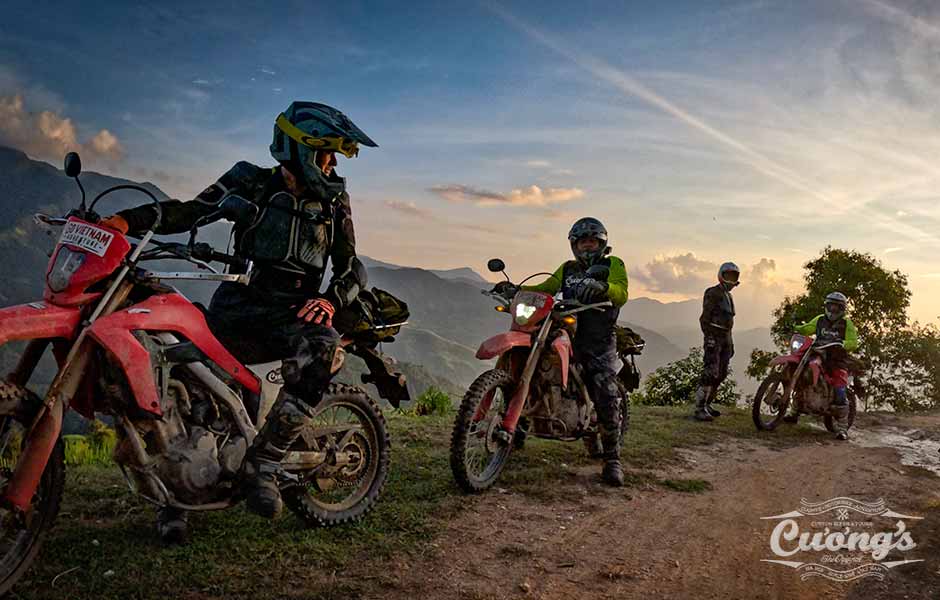
What is the Ha Giang Motorbike Tour?
The Ha Giang motorbike tour is Vietnam’s most famous motorcycle route, known for its dramatic limestone mountains, deep valleys, and remote ethnic minority villages. The route forms a loop in northern Vietnam near the Chinese border and is widely considered one of the best motorbike adventures in Southeast Asia.
Riders travel through iconic locations such as Dong Van, Meo Vac, and the legendary Ma Pi Leng Pass, experiencing a combination of high mountain roads and cultural immersion.
Why Ha Giang is the Best Ride in Vietnam
- Extreme mountain scenery unlike anywhere else in Vietnam
- Legendary passes like Ma Pi Leng
- Remote, untouched ethnic communities
- Quiet roads with low traffic
- Authentic adventure riding experience
This is not a tourist ride — it is a true adventure route.
Best Time to Ride the Ha Giang Loop
- September – November: Best weather, golden rice fields
- March – May: Blooming flowers, clear skies
- December – February: Cold but dramatic landscapes
- June – August: Rainy season, more challenging riding
Best overall: October and April

Ha Giang Routes Explained
1. Standard Ha Giang Loop (3–4 Days)
- Ha Giang → Dong Van → Meo Vac → Ha Giang
- Most popular route
- Scenic but more trafficked
2. Extended Ha Giang Loop (5–7 Days)
- Adds Bao Lac, Xin Man, Hoang Su Phi
- Less tourist traffic
- More remote landscapes
See our extended tour:
Ha Giang Border Motorbike Tour (7 Days)
3. Off-Road Ha Giang Tour
- Includes dirt roads and technical riding
- For experienced riders only
- Access to hidden villages
Typical Ha Giang Motorbike Tour Itinerary
Day 1
Hanoi → Ha Giang
Day 2
Ha Giang → Dong Van
Day 3
Dong Van → Meo Vac → Ha Giang
Optional Extensions
- Bao Lac
- Xin Man
- Hoang Su Phi

Riding Difficulty
The Ha Giang motorbike tour is designed for riders with experience in mountain conditions, featuring tight curves, steep climbs, and rapidly changing weather at high altitudes. Daily riding ranges from 4–8 hours depending on the route, with a mix of paved roads and optional off-road sections.
Guided vs Self Ride
Self Ride
- Cheaper
- More freedom
- Higher risk
- Navigation challenges
Guided Tour (Recommended)
- Local knowledge
- Mechanic support
- Safer experience
- Access to hidden routes
Recommended:
Guided Ha Giang Motorbike Tour
What to Expect on the Ride
- Mountain passes and cliff-edge roads
- Local homestays in ethnic villages
- Changing weather conditions
- Incredible photography opportunities
- Real adventure riding conditions
FAQ
Is Ha Giang safe for motorbike tours?
Yes, but only for experienced riders or those joining guided tours.
Do I need a licence?
Yes, a valid motorbike licence is required.
How many days do I need?
3–4 days minimum, 5–7 days recommended.
Is Ha Giang suitable for beginners?
No, due to mountain terrain and road conditions.
What bike is best?

Vietnam Off-Road Motorbike Routes 2026 | Hanoi to Sapa Mountain Adventure
Vietnam Off-Road Motorbike Routes for 2026 Hanoi to Sapa Through the Wild Mountains
An Epic Northern Vietnam Motorbike Tour with Cuong’s Motorbike Adventure

Table of Contents
- Why 2026 Is the Year to Ride Northern Vietnam
- Route Overview: Hanoi to Sapa Off-Road Loop
- Hanoi to Mai Chau – The Perfect Warm-Up
- Mai Chau to Moc Chau – Limestone & Tea Hills
- Moc Chau to Ta Xua – Riding the Dinosaur Spine
- Ta Xua to Tu Le – High Mountain Solitude
- Tu Le to Mu Cang Chai – Terraced Perfection
- Mu Cang Chai to Sapa – The Grand Mountain Finale
- Off-Road Conditions & Terrain for 2026
- Great Food & Hill Tribe Encounters
- Why Ride with Cuong’s Motorbike Adventure
- Planning Your 2026 Vietnam Off-Road Motorbike Tour
Why 2026 Is the Year to Ride Northern Vietnam
Northern Vietnam has always been legendary among adventure riders, but 2026 is shaping up to be something special. Road improvements have opened remote connectors while vast networks of dirt tracks and buffalo trails remain untouched. Tourism continues to concentrate on popular paved routes, leaving countless off-road sections wild and quiet.
The mountains between Hanoi and Sapa deliver everything an off-road rider dreams of: river crossings, rocky hill climbs, mist-covered ridgelines, jungle switchbacks and sweeping high-altitude views. Add to that incredible food and authentic encounters with hill tribe communities, and you have one of the most complete adventure motorbike experiences in Asia.
This route — designed and refined by Cuong’s Motorbike Adventure — links together the most spectacular terrain from Mai Chau to Mu Cang Chai before climbing into the cool air of Sapa.

Route Overview: Hanoi to Sapa Off-Road Loop
The 2026 off-road route follows a dramatic west-to-north arc across Vietnam’s highlands:
Hanoi → Mai Chau → Moc Chau → Ta Xua → Tu Le → Mu Cang Chai → Sapa
This journey combines:
- Mountain passes over 2,000 meters
- Technical singletrack and flowing dirt roads
- Ethnic minority villages rarely visited by tourists
- Golden rice terraces and tea plantations
- High ridge “dinosaur spine” riding
- Local homestays and authentic Vietnamese cuisine
Each section builds on the last, gradually increasing in elevation, remoteness, and drama.

Hanoi to Mai Chau – The Perfect Warm-Up
Leaving Hanoi early is key. Within an hour, concrete fades into farmland and limestone outcrops rise dramatically from rice paddies. The first off-road sections begin after leaving the main highway, where small village roads twist through bamboo groves.
As the ride climbs toward Mai Chau, gravel tracks cut across hillsides offering panoramic valley views. This is the perfect introduction to Vietnamese terrain — manageable but exciting, scenic yet not overly technical.
Mai Chau itself is a peaceful valley dotted with traditional stilt houses of the White Thai people. Evenings are relaxed: grilled pork, fresh herbs, sticky rice and cold local beer after your first mountain ride.
Mai Chau to Moc Chau – Limestone & Tea Hills
The road from Mai Chau to Moc Chau transitions from valley floor to rolling highland plateau. Expect flowing paved curves mixed with dirt connectors that avoid traffic entirely.
Moc Chau is famous for its endless green tea plantations. Off-road spurs branch into forest tracks and red-dirt ridges, perfect for standing on the pegs and letting the bike move beneath you.
The riding here is rhythmic — open throttle sections balanced with technical rocky patches. Buffalo wander lazily across trails. Farmers wave as you pass.
Moc Chau to Ta Xua – Riding the Dinosaur Spine
Ta Xua is one of the most dramatic riding experiences in Vietnam. The route climbs steadily before narrowing into a ridgeline known locally as the “Dinosaur Spine.”
On clear days, clouds drift below the ridge while you ride along its narrow crest. The terrain ranges from compact dirt to loose rock, requiring steady throttle control and confidence.
This section feels remote and raw. Villages are sparse. The landscape is cinematic — jagged peaks layered into the distance.

Ta Xua to Tu Le – High Mountain Solitude
Descending from Ta Xua, trails weave into valleys few tourists ever see. River crossings, bamboo bridges and forest paths make this section one of the most adventurous parts of the tour.
Tu Le sits in a stunning valley framed by rice terraces. Known for its hot springs and fragrant sticky rice, it’s a perfect overnight stop.
The riding into Tu Le feels like a reward — flowing downhill sections after technical climbs.

Tu Le to Mu Cang Chai – Terraced Perfection
This is postcard Vietnam. Mu Cang Chai’s terraced rice fields are considered some of the most beautiful in the world.
The off-road route avoids the main highway, instead following mountain tracks through Hmong villages. Expect loose gravel climbs, sweeping dirt descents and constant photo stops.
In harvest season, the terraces glow gold. In summer, they shine emerald green.
Mu Cang Chai to Sapa – The Grand Mountain Finale
The final push toward Sapa crosses high passes with cool alpine air. The road alternates between asphalt curves and dirt connectors linking remote settlements.
As you approach Sapa, the Hoang Lien Son range dominates the skyline. The temperature drops. Pine trees replace tropical foliage.
Arriving in Sapa feels like completing a mountain pilgrimage — dusty, tired, and deeply satisfied.
Off-Road Conditions & Terrain for 2026
Expect mixed terrain throughout the journey:
- Hard-packed dirt roads
- Rocky mountain climbs
- Loose gravel switchbacks
- Occasional mud depending on season
- Shallow river crossings
The ideal bike setup for this 2026 route includes lightweight dual-sport motorcycles such as CRF models, allowing riders to handle both technical singletrack and longer mountain transfers comfortably.
Great Food & Hill Tribe Encounters
One of the unexpected highlights of this tour is the food. Every region offers something unique:
- Mai Chau: Grilled pork and fresh garden herbs
- Moc Chau: Fresh dairy products and tea
- Tu Le: Sticky rice and mountain vegetables
- Mu Cang Chai: Smoked buffalo and corn wine
- Sapa: Salmon hotpot and highland specialties
Beyond food, the cultural encounters are genuine. You’ll meet White Thai, Hmong, and Dao families living in traditional wooden homes. These aren’t staged performances — just everyday life unfolding as you ride through their villages.
Why Ride with Cuong’s Motorbike Adventure
Cuong’s Motorbike Adventure specializes in real off-road riding — not just scenic paved routes.
What sets them apart:
- Deep knowledge of hidden mountain trails
- Experienced English-speaking guides
- Mechanical support and safety focus
- Carefully selected local homestays
- Flexible routing depending on rider skill
The goal is simple: authentic adventure riding with zero tourist fluff.
Planning Your 2026 Vietnam Off-Road Motorbike Tour
Best seasons for this route:
- March–May: Clear skies, moderate temperatures
- September–November: Golden rice terraces and cool mountain air
Recommended duration: 8–10 riding days.
Skill level: Intermediate riders comfortable with dirt and gravel terrain.
To plan your 2026 adventure, visit Cuong’s Motorbike Adventure and explore custom route options.
Final Thoughts
The Hanoi to Sapa off-road route is not just a ride — it’s a journey across cultures, climates, and landscapes. From limestone valleys to cloud-covered ridges, from jungle trails to alpine passes, northern Vietnam delivers one of the most complete adventure motorbike experiences anywhere in the world.
If 2026 is your year for adventure, this is your route.


Ho Chi Minh Trail 2026 with Cuong's
Experience a true off-road motorbike adventure from Vietnam into Laos, riding deep along the legendary Ho Chi Minh Trail with Cuong’s Motorbike Adventure. This rugged Vietnam–Laos motorcycle tour follows forgotten wartime supply routes through dense jungle, remote mountain passes, river crossings, and isolated villages rarely seen by travelers. Designed for experienced riders, the journey delivers challenging off-road terrain, raw landscapes, and an authentic connection to the history of Indochina. If you’re looking for a real Ho Chi Minh Trail motorbike tour—far beyond paved roads and tourist routes—this is the ride.
There are motorbike tours—and then there are real adventures.
Riding from Vietnam into Laos along the legendary Ho Chi Minh Trail with Cuong’s Motorbike Adventure sits firmly in the second category.
This is not a sightseeing loop stitched together with highways and hotels. This is a proper off-road expedition, following forgotten wartime supply routes through jungle, mountains, and borderlands that still feel wild and untouched today.
From Vietnam into the Wild Heart of Laos
The journey drops you straight into the soul of Indochina. Leaving behind the bustle of Vietnam, the trail pulls you into dense jungle tracks, muddy single paths, rocky climbs, and river crossings that demand skill and commitment. These are the same routes once used to move supplies south during the Vietnam War—now reclaimed by forest, time, and silence.
- Riding lightweight dual-sport motorcycles, you tackle terrain that constantly changes:
- Red dirt jungle roads
- Slippery clay climbs after rain
- Narrow mountain passes
- Remote river crossings
- Broken wartime roads swallowed by vegetation
- Every day delivers a new challenge—and a new reward.
Forgotten Roads, Living History
What makes this ride special isn’t just the off-road intensity—it’s the history beneath your wheels. The Ho Chi Minh Trail isn’t a single road; it’s a vast network of paths, tracks, and supply routes stretching deep into Laos.
As you ride, you’re not just chasing adventure—you’re tracing history. Crumbling bridges, hidden clearings, and scarred hillsides quietly remind you of the trail’s past, while the surrounding jungle shows how powerfully nature has reclaimed it.
This is history you ride through, not read about.
Remote Villages & Real Connections
Far from tourist routes, the trail passes through isolated villages where daily life hasn’t changed much in decades. Encounters are natural and unforced—kids waving from doorways, farmers working fields, locals curious about the sound of motorbikes echoing through the hills.
These moments are what elevate the journey. You’re not passing through attractions—you’re moving through living landscapes, welcomed as guests rather than tourists.
Built for Riders Who Want More
- This Vietnam–Laos motorbike adventure is designed for riders who crave:
- Genuine off-road riding
- Technical terrain and long riding days
- Remote landscapes and raw nature
- Cultural immersion beyond the surface
- A deeper connection to Indochina’s history
- Expect mud, sweat, tired arms—and huge satisfaction at the end of each day.
Not Just a Tour—An Expedition
If paved roads bore you and cookie-cutter itineraries leave you cold, this ride delivers exactly what it promises: real adventure. The Ho Chi Minh Trail through Laos isn’t polished or predictable—and that’s precisely the point.
This is the trail as it was meant to be experienced: wild, challenging, unforgettable.
👉 Watch the full ride video and subscribe for more off-road adventures
👉 Ride the Ho Chi Minh Trail for real: https://cuongs-motorbike-adventure.com
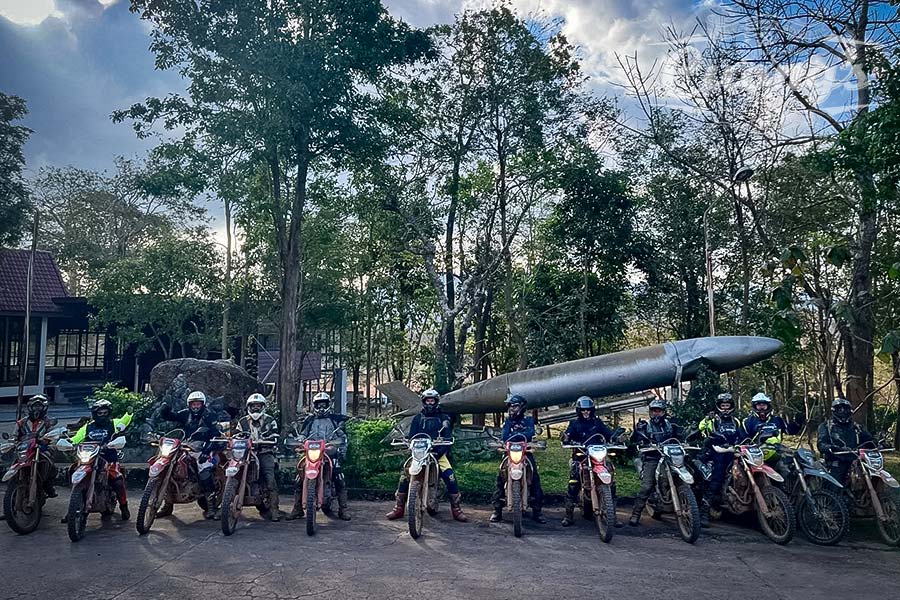
Riding the Ho Chi Minh Trail in Laos in 2026
9 Mates, One Epic Ride: Hanoi to Laos & the Ho Chi Minh Trail with Cuong’s Motorbike Adventure
If you’ve ever wanted to ride a route that feels equal parts history lesson and wild-country mission, the Ho Chi Minh Trail is it. Our crew of nine mates rolled out of Hanoi, crossed the Vietnam–Laos border, then spent days carving through jungle tracks, splashing river crossings, and rolling into remote villages where time moves slower and the past still sits right there in the landscape. With Cuong’s Motorbike Adventure leading the way—guide up front, mechanic sweeping behind—this wasn’t just “a motorbike trip.” It was a full-send adventure, safely run, seriously authentic, and absolutely a ripper.

1) Hanoi kickoff: 9 mates, 9 bikes, and a plan (sort of)
There’s a special kind of chaos that happens when nine Aussie mates decide they’re going to “just duck over the border” and ride a legendary wartime supply route through Laos. You know the vibe: someone’s always looking for coffee, someone’s always adjusting their gloves, and at least one bloke is asking if the next stop has a cold drink and decent snacks like it’s a sacred human right.
But here’s the thing—this ride isn’t a casual Sunday cruise. The Ho Chi Minh Trail is a long, complicated network of routes that once kept supply lines moving through thick jungle and rugged mountains. Today, parts of it are easier, parts are still properly remote, and the history is never far from the track. If you’re going to do it right—especially cross-border—having a team that knows the process, the permits, and the backcountry realities is everything.
That’s why we rode with Cuong’s Motorbike Adventure. Cuong’s story is legendary in Vietnam’s riding circles—mechanic roots, decades on the road, and a reputation built on doing things properly. Their tours are built around an English-speaking guide leading, plus a dedicated mechanic as sweeper, so no one gets stranded or pushed beyond their comfort zone. It’s a simple system, and it works—especially when the terrain gets spicy.
“We start where the road ends. That’s where the real stories are.”
Our guide for the ride was Phu—calm, sharp, and always scanning the horizon like he’s reading the landscape two corners ahead. From the jump, he set the tone: ride smooth, ride smart, and take the time to actually meet the people living out here—because the villages are half the magic.
“Don’t chase speed—chase moments. Stop, look around, talk to people. That’s the ride you’ll remember.”
Then there’s Diep, the mechanic—always smiling, always ready, and somehow able to pull a solution out of thin air when a bike decides to get dramatic. He’s the kind of bloke who makes you feel like nothing can go truly wrong, because even if it does, it’ll be handled—with a grin.
“No worries, my friend—motorbike is easy. We fix. You ride.”
If you want the exact tour framework that matches this kind of cross-border Ho Chi Minh Trail mission, this is the core ride we’re talking about: Ho Chi Minh Trail Motorbike Tour Laos Vietnam (12D/12N). It’s designed specifically for the Hanoi → Laos → back to Vietnam flow, with the logistics handled and the route dialled.

A proper multi-nation route—Hanoi down through Laos, then back into Vietnam toward the coast.
2) Across the border: Laos begins where the road ends
The first big “yep, we’re doing this” moment is the border. One minute you’re in Vietnam’s rhythm—familiar signage, familiar bustle—and the next you’re rolling into Laos where the pace shifts and the landscape opens up into a different kind of wild.
Crossing borders with motorbikes isn’t a wing-it situation. There are permits, customs steps, and rules that change over time. Cuong’s crew handles these tours with the paperwork baked in, and they’re across the latest requirements—especially the need for an authorized local guide and permits for entering Laos with a motorbike.
If you like to understand the “why” behind the logistics (and you should), Cuong’s site also shares useful background here:
Latest regulations for crossing from Vietnam into Laos with a motorbike (2024 update).
Once we were through, the riding vibe changed fast. The roads got emptier. The hills got bigger. The villages felt further apart. And the tracks—mate—the tracks started whispering promises of mud, water, and “hope you packed dry socks.”
Laos is an adventure rider’s dream because it still has those long stretches where you can ride for ages without traffic, where you wave at kids on the roadside and the whole place feels like you’ve stepped into a different decade. It’s also a place where history is not locked behind museum glass—it’s in the landscape, in the stories, and sometimes in the things people still find.
For anyone wondering if this is “too remote” or “too hard,” the key is the way Cuong’s team runs it: guide up front, mechanic behind, support where needed, and a route that balances challenge with safety. You’re not racing. You’re exploring. Big difference.

3) The real Ho Chi Minh Trail: rivers, villages, war remnants & UXO reality
Some rides are about smooth asphalt and pretty viewpoints. This one? This one is about the real stuff: jungle humidity clinging to your jersey, red dirt tracks twisting into the trees, and those moments where the path ahead looks like a question mark and your mate behind you just yells, “SEND IT!”
 River crossings became a regular part of the day—sometimes shallow and playful, sometimes wide enough to make you pause, pick a line, and commit. Phu would walk the crossing when needed, pointing out the safest route like it’s no big deal, while Diep would be in the background grinning like he’d personally asked the river to spice things up for us.
And then there were the villages—proper remote places where the arrival of nine dusty riders turned into instant curiosity and smiles. Kids would jog alongside the bikes. Grandparents would watch from shaded verandas. Someone would offer a wave, a laugh, sometimes a quick chat through Phu translating. It’s humbling, and it’s the exact reason you don’t blast through on a timetable like a robot.

Out here, the remnants of war aren’t an abstract concept. You’ll see craters in the landscape. You’ll hear stories. And in some communities, you’ll notice how “scrap” and salvaged metal has become part of everyday life over the decades. Now—this matters—UXO (unexploded ordnance) is not a tourist attraction. It’s a real risk in parts of Laos and Vietnam, and it deserves respect.
On our ride, we saw teams from MAG (a humanitarian organization known for UXO clearance) working in the region—professionals doing careful, methodical work to make land safer for local communities. Watching that process from a respectful distance is a powerful reminder: adventure is fun, but safety and local realities come first.
Quick, important note: Never touch suspicious metal in former conflict areas, never “collect” anything, and always follow local guidance. If your tour leader says “leave it,” you leave it. No hero moves, no souvenir hunting. Just common sense.
This is also where Cuong’s crew shines. They don’t treat the trail like a theme park. They treat it like a living place with real people and real history. That’s why the ride feels authentic—because it is.
“This trail fed a war machine—but today it feeds curiosity. We ride it to understand, not to show off.”
Mechanically, the trail can be a test—heat, water, dust, vibration, and the occasional tip-over that ends with everyone laughing because the rider is fine and the bike is… mostly fine. Any time something got loose, bent, or started making a noise that sounded expensive, Diep would roll in like a cheerful pit-crew wizard.
“Problem? Okay. We fix fast—then you go again. Smile!”

4) Southbound to the finish: DMZ echoes, big laughs, and why Cuong’s crew rules
As the days stacked up, we got into that sweet expedition rhythm: up early, quick brekkie, bikes checked, ride, stop for photos, yarn with locals, repeat. Somewhere along the way the nine of us stopped being “mates on a tour” and became a little moving tribe—sharing snacks, swapping stories, and taking turns being the bloke who drops the bike in the world’s slowest, most dramatic way.

The route south is loaded with history. You’re never far from places that mattered during the war years—tracks that once existed for supply, survival, and strategy. Now they’re tracks for riders who want to understand the landscape beyond the postcard version. You can feel how the terrain itself shaped everything: dense jungle corridors, mountain ridgelines, river valleys, and the long stretches where you realize just how hard it would’ve been to move anything through here.
Eventually, you point toward the Vietnam border again—dusty, tired, happy. There’s a weird feeling when you re-enter Vietnam: excitement to be back, but also a little sadness to leave Laos behind. Then the road keeps pulling you south, toward the coast and the finish line—Da Nang and the beaches—like a reward for doing the hard yards.
By the end, we were cooked in the best way. Sunburnt noses. Mud in places that should never see mud. And that deep satisfaction that comes from earning every kilometre.
So why Cuong’s? Because the difference between an “epic ride” and a “stressful mess” is the team. Cuong’s crew is built for this:
a lead guide who reads the road and the room,
a mechanic who can solve anything with a smile,
and a tour system designed around safety, flexibility, and real experiences.
If you want to ride the exact cross-border route described in this story, start here:
Ho Chi Minh Trail Motorbike Tour Laos Vietnam (12D/12N).
If you’d rather keep it Vietnam-only along the Ho Chi Minh Trail, you can also check:
Ho Chi Minh Trail Motorbike Tour (Hanoi to Hoi An – 7D/7N).
Want a different way to experience the route (more comfort, less riding fatigue, still plenty of history)?
There’s the option of a Jeep-based version too:
Ho Chi Minh Trail Jeep Tour (7D/7N).
And if you’re the kind of person who needs to see it before you believe it (fair), have a look through:
Cuong’s Vietnam Motorbike Photo Gallery
and the trip inspiration on their ride reports/blog:
Final word from the nine mates: Laos is a top-tier destination for adventure bike riders—remote, beautiful, challenging, and full of human moments you can’t plan. Do it with a crew that knows the land, respects the history, and keeps you rolling when the trail throws a curveball. With Cuong, Phu, and Diep, it’s not just “no worries”—it’s genuinely handled.
Ready to ride? You can request details or lock in dates here: Make a Booking


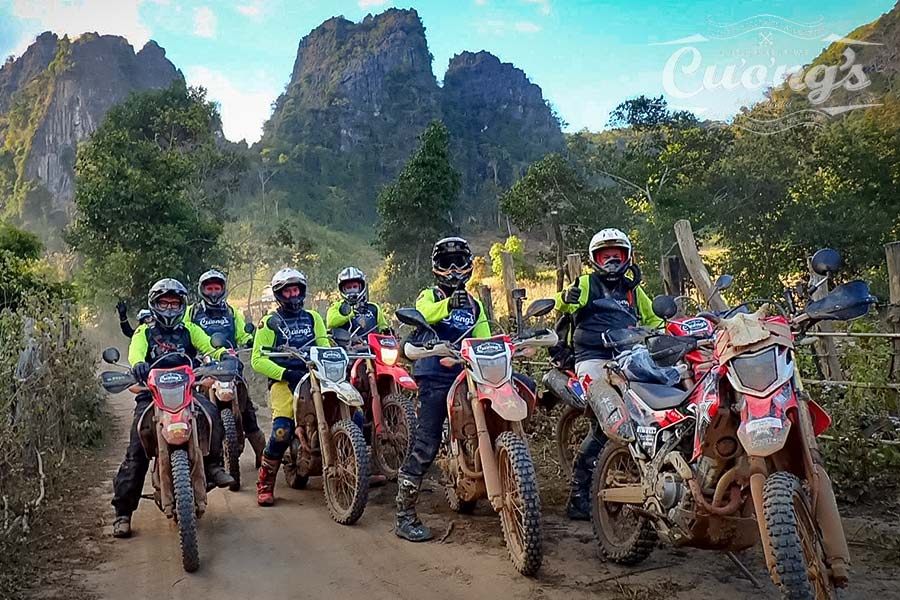


New Vietnam Off-Road Motorbike Routes for 2026
New Vietnam Off-Road Motorbike Routes for 2026 (Cuong’s Motorbike Adventure)
Why 2026 is the year to ride beyond the obvious
If you’ve ever ridden in Vietnam, you already know the moment that changes everything: the pavement ends, the air cools,
the hills tighten into mountains, and your front wheel starts telling stories again. Vietnam is famous for its big names—
Ha Giang, Sapa, Ban Gioc, Mu Cang Chai—but most riders still experience them the same way: a fast blast on main roads,
a few photo stops, then back to traffic and tour-bus gravity.
For 2026, Cuong’s Motorbike Adventure
is doing it differently: new route scouting, smarter trail connectors, and day designs that put you where you came to be—
on quiet dirt, mountain backroads, and village lanes that feel personal, not packaged. The goal isn’t just “more distance.”
It’s better riding: more flow, more variety, and more time in places that still feel like Vietnam did before the crowds.
These 2026 routes follow three powerhouse regions in Northern Vietnam: the terrace-and-ridge playground of the North West,
the karst borderlands of the Northeast, and a full Northern Loop that stitches Ha Giang’s dramatic plateau to the markets,
the rice terraces of Hoang Su Phi, and the highlands near Y Ty on the Chinese border.
If you want a ready-to-book version of these ideas, start here:
Cuong’s Motorbike Tours.
Or check timing and group options via
Scheduled Departures.
1) North West Off-Road Trails: Mai Chau → Moc Chau → Tu Le → Mu Cang Chai → Sapa
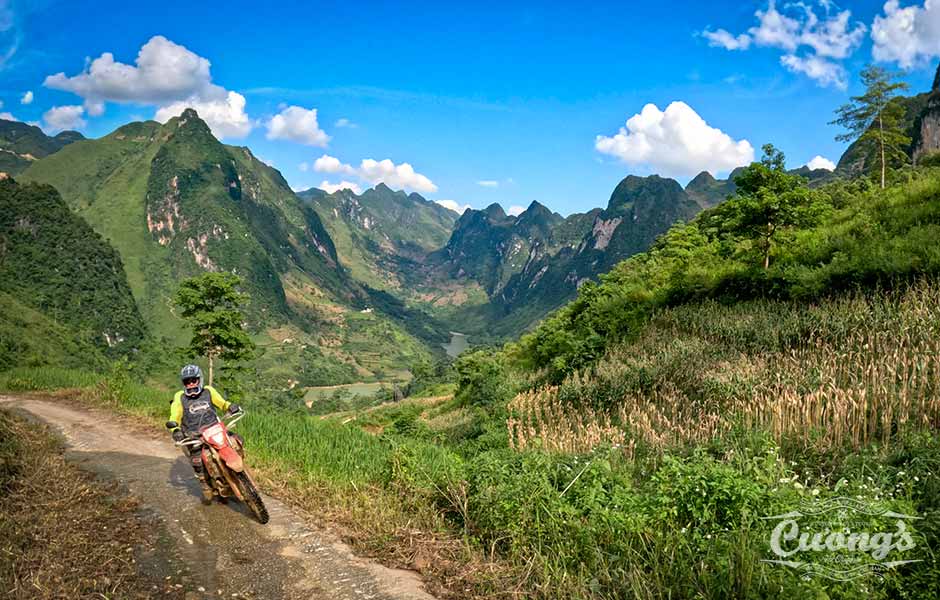
The North West is where Northern Vietnam starts flexing—limestone ridges, deep green valleys, tea hills, hot springs,
and rice terraces stacked like dragon scales. For 2026, the route concept is simple: ride through the region,
not just to it. That means stitching together dirt connectors, ridge roads, and hidden valleys so the ride feels
like one continuous adventure instead of a highlight reel with boring gaps.
You’ll pass iconic places like
Mai Chau,
Moc Chau,
Mu Cang Chai,
and
Sapa,
but the real magic is what happens between them: the tracks you don’t find on a standard map and the villages where the day
slows down and gets real.
What’s new in 2026 (North West upgrades)
- More dirt connectors between key towns to reduce main-road drag and keep the ride adventurous.
- Optional “spice loops” each day—choose smoother big-bike lines or more technical dirt depending on the group.
- Better timing for viewpoints, markets, and weather windows—so you’re not arriving after the magic is gone.
- More local food stops—small kitchens, roadside grills, and market breakfasts that become tour legends.
Mai Chau: the soft landing that still feels like a ride
Mai Chau is the warm-up that doesn’t feel like a warm-up. The valley opens wide, the roads relax, and your riding brain
switches from city survival to mountain rhythm. The 2026 approach is designed to avoid the dull “get-there” sections and
roll you onto countryside lanes and dirt that immediately feels like Vietnam’s backcountry.
Culturally, Mai Chau is strongly associated with Thai communities (often White Thai), known for stilt-house homes,
woven textiles, and a gentle valley pace. The best way to experience it is respectfully and quietly: roll in slow, greet people,
and let the place come to you.
Moc Chau: tea hills, cool air, and trails that flow
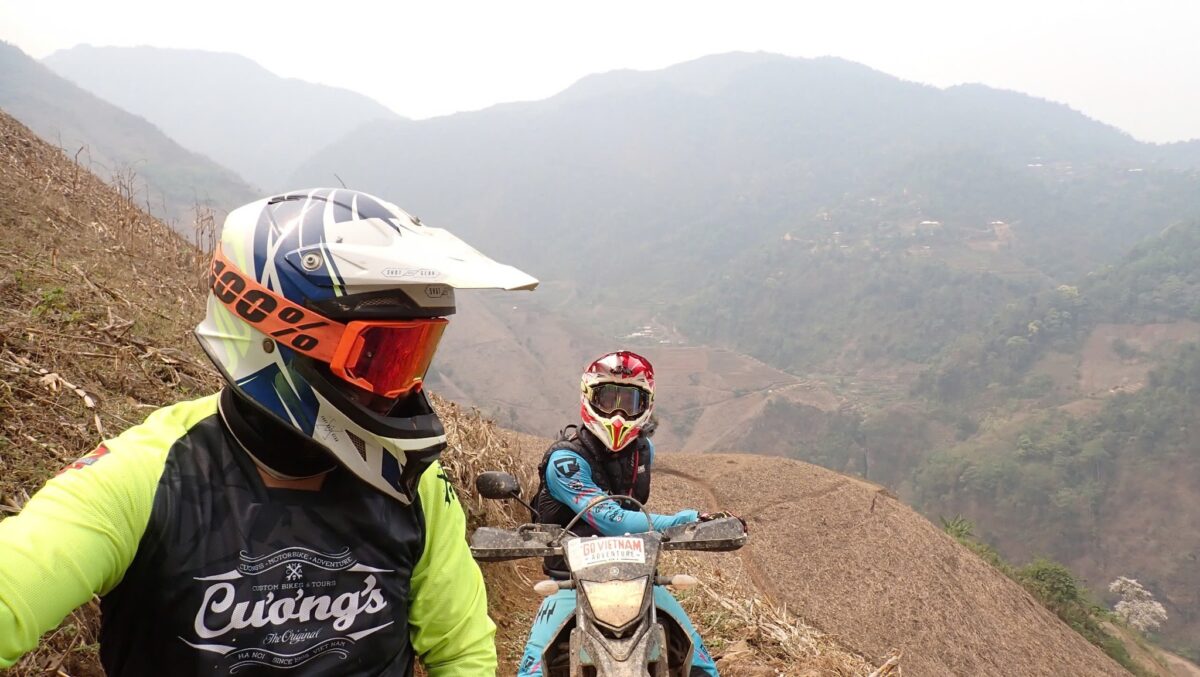
As you climb toward Moc Chau, the air cools and the scenery changes from valley greens to rolling plateaus.
Moc Chau is famous for tea hills and big skies, and 2026 scouting focuses on stitching together the best backroads between
those views—dirt ridges, small farm lanes, and forest tracks that keep you away from busy traffic.
Ethnic communities here can include H’Mong, Thai, and Muong in different pockets.
You’ll see it in the patterns on clothing, the way markets run, and the style of houses and farm life. Ride through with respect:
no loud throttle shows in villages, no pointing cameras in faces—always ask or smile first.
Tu Le: terrace gateway, valley light, and hot-spring recovery
Tu Le is where the trip starts feeling cinematic. You’ll ride from ridge to valley, and the light changes constantly—misty peaks,
warm valley sun, then cool shade again under forest lines. In 2026, Tu Le is also a key hub for “stacking” off-road options:
add a loop if the group is hungry for more dirt, or keep it smooth and scenic if you’re touring on bigger ADV bikes.
Tu Le is also near the legendary riding corridor that includes the Khau Pha Pass, often described as one of the
most thrilling mountain passes in the region.
On the right day, this is one of those rides you remember for years—the kind where you stop at a viewpoint and just laugh,
because the terraces look too perfect to be real.
Mu Cang Chai: terrace heaven and proper off-road variety
If the North West has a headline act, it’s Mu Cang Chai. The terraces here are world-famous, but riders love it for another reason:
the terrain offers real variety—dirt climbs, rocky switchbacks, narrow tracks, and ridge roads where the horizon stacks into layers.
This is where riders level up: throttle control, balance, reading the road surface, managing fatigue, and still having enough focus
left to stop for photos that don’t look real.
In and around Mu Cang Chai you’ll often meet or pass through communities associated with the H’Mong.
Their highland farming knowledge is visible everywhere in the terraces and steep-slope cultivation. When you pass through villages,
keep the ride calm—these are working communities, not a theme park.
Sapa: mountain drama, cloud riding, and the perfect finish
Sapa is famous, yes—but in 2026 the emphasis is on arriving the right way: via mountain backroads and ridge lines where possible,
not by fighting traffic and tour buses. The mountains here feel sharper and wilder, and the weather can flip in minutes. One moment
you’re riding in sunlight; the next you’re inside a cloud, visor cracked open, listening to your engine echo into mist.
Sapa’s surrounding areas include ethnic groups such as H’Mong, Dao (Red Dao), Giay,
and others. Markets and village life can be vibrant, but it’s important to keep interactions respectful—buy locally if you can,
ask before photographing, and remember that “authentic” means people living their normal lives.
For a related ride concept that already blends several North West highlights (and includes places like Pu Luong, Moc Chau, Tu Le,
Tram Tau, Mu Cang Chai, Sapa and Y Ty), see this story page on Cuong’s site:
8 Days on a CRF300 through Northwest Vietnam.
2) Northeast Vietnam: Ba Be → Cao Bang → Ban Gioc → Northern border regions

The Northeast is a different flavour of Northern Vietnam—less “big-name bustle,” more quiet power. Think karst pinnacles erupting
from rice fields, rivers cutting through limestone, and border roads where you can ride for long stretches and see more water buffalo
than cars. In 2026, Cuong’s new routing idea here is to combine the region’s greatest natural hits with backroads that feel secret:
lake country, karst valleys, and borderland tracks that stay close to the pulse of local life.
Start in the cool green calm of
Ba Be Lake,
then push into
Cao Bang
and onward to
Ban Gioc Waterfall
near the China border—one of Vietnam’s most impressive waterfalls.
What’s new in 2026 (Northeast upgrades)
- More border-adjacent backroads—quieter lines that run through valleys and small communities instead of busy corridors.
- More “ride + explore” pacing—time to stop at viewpoints, small markets, and short walks without rushing the day.
- Flexible vehicle formats—this region suits motorbikes, but also works brilliantly for 4×4/Jeep styles in some seasons.
Ba Be Lake: jungle edges and the calm before the cliffs
Ba Be is a reset button. Water, jungle-covered slopes, and that quiet feeling you only get far from big cities.
On the bike, the approach can include small paved lanes and dirt connectors depending on conditions.
Off the bike, a swim can be a game-changer in warm months, and lakeside evenings are perfect for recovering legs and hands.
Communities around Ba Be include ethnic groups such as Tay, among others, with strong traditions of stilt-house living
and river-valley agriculture. If you stay in homestays, a simple respectful attitude goes a long way: greet elders, be mindful at night,
and support local food and crafts where possible.
Cao Bang: karst labyrinth and the best kind of “middle of nowhere”
Cao Bang feels like a hidden province because so few riders give it the time it deserves. The roads—especially the quiet ones—thread
through karst landscapes that look like a fantasy film set. In 2026, the emphasis is on stitching together the calmest, most scenic
lines: river valleys, limestone corridors, and borderland viewpoints that don’t require fighting crowds.
Ethnic groups in Cao Bang can include Nung and Tay, among others. You’ll notice different languages,
different market energy, and local architecture that shifts as you move through valleys and up into higher ridges.
Ban Gioc Waterfall: the grand finale (and a perfect picnic day)
Ban Gioc is one of those places that delivers even if you’ve seen a thousand photos. The sound hits you first, then the spray,
then the full view—wide curtains of water dropping through green cliffs near the border.
For a tour page on Cuong’s site that covers Ba Be and Ban Gioc in the Northeast, see:
Northeast Vietnam Border Ride (5D/4N). :contentReference[oaicite:4]{index=4}
If you’re also interested in a non-motorbike format for the same region (useful in certain seasons or for mixed groups),
there’s also:
Ban Gioc – Ba Be Jeep Tour (5D/4N).
The Northeast section is also a key ingredient inside Cuong’s longer “link-it-all” concept that runs along the border with China:
Vietnam Off-Road Loop Motorbike Tour (11D/10N).
That tour description specifically mentions Ba Be Lake, Ban Gioc, border backroads, and continuing into Ha Giang province.
3) The Northern Loop: Dong Van → Markets → Ha Giang City → Hoang Su Phi → Xin Man → Sapa → Y Ty
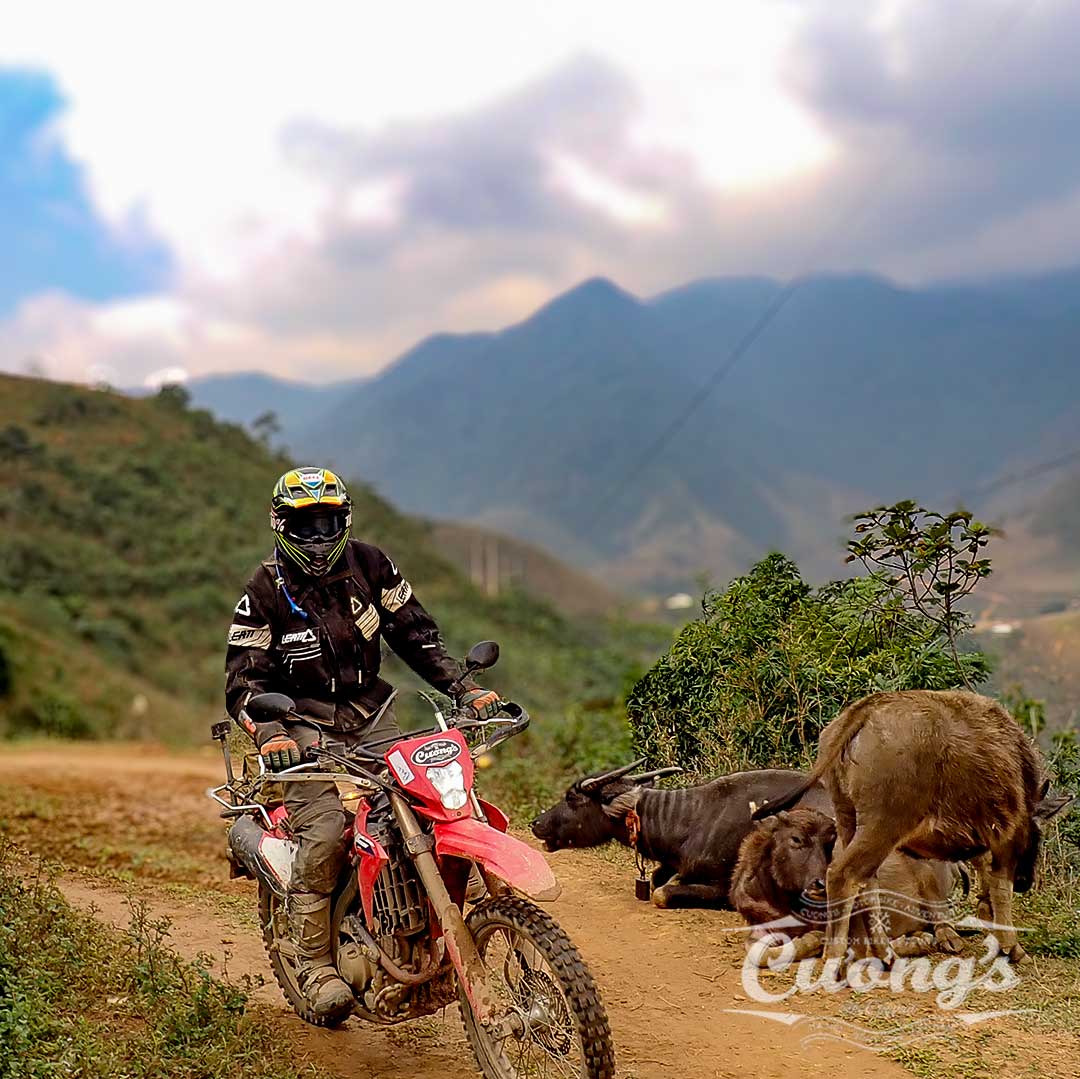
If you want the “all killer, no filler” Northern Vietnam experience, the Northern Loop is the dream: Ha Giang’s dramatic limestone
plateau, hill-tribe markets, deep canyons, remote rice terraces, and border highlands that feel like the edge of the map.
For 2026, the routing concept is to keep the loop feeling wild while improving flow—more backroads, smarter overnight placement,
and optional dirt lines so different rider levels can share the same journey without stress.
A strong starting point to understand this vibe is Cuong’s Ha Giang-focused tour pages:
Ha Giang Border Tour (7D/7N) :contentReference[oaicite:8]{index=8}
and
Ha Giang Off-Road Border Ride (10D/10N). :contentReference[oaicite:9]{index=9}
Both emphasize border riding, Dong Van, and getting off the main road onto dirt tracks. :contentReference[oaicite:10]{index=10}
Ha Giang City: last big breath before the mountains
Ha Giang City is the gateway—your final moment to adjust gear, settle into the bike, and mentally switch to mountain mode.
In 2026, the ride design focuses on getting you into the good terrain quickly: less urban drag, more climbing, and early viewpoints
that set the tone for the days ahead.
Ethnic diversity in Ha Giang province is enormous. As you move out of the city and into higher ground, you’ll start seeing different
clothing styles, market goods, and languages. This is one of the reasons the loop feels so rich: you’re not just changing landscapes;
you’re moving through distinct cultural regions.
Dong Van Plateau: limestone cathedrals and canyon roads
The Dong Van region is where Vietnam looks like another planet—limestone spires, tight valleys, and roads that cling to cliffs.
Riders love it for the technical rhythm: switchbacks, elevation changes, and those “don’t look down” moments that somehow make you
feel more alive. If the weather turns, it becomes even more dramatic—fog in the canyons, wet rock, and a slower, more precise ride.
You’ll commonly associate this plateau region with communities such as the H’Mong (among many others). You’ll see
stone fencing, highland crops, and villages built to survive mountain realities. Passing through, ride gently, keep noise down,
and treat markets as living community spaces, not photo stages.
Hill-tribe markets: colour, trade, and weekly rhythm
Markets are not “attractions”—they’re the weekly heartbeat. People arrive early, trade livestock and produce, share food, and catch up.
For riders, markets are a perfect cultural break between big riding sections. In Ha Giang and nearby regions, you may encounter markets
where different groups gather—each with distinctive textiles and language.
The key: be respectful. If you want photos, ask first (a smile and gesture goes a long way). If you want to support people, buy something
small—fruit, snacks, simple textiles—rather than treating the market like a free museum.
Hoang Su Phi: terraces that feel hand-built by giants
Hoang Su Phi is terrace country at its most dramatic. The hills fold into each other, and the rice fields wrap around steep slopes
in endless curves. In 2026 route planning, Hoang Su Phi plays a special role: it breaks up the limestone drama with lush river valleys
and gives you a different kind of riding—more rolling terrain, more green corridors, and incredible terrace viewpoints.
Ethnic communities in this broader region can include groups such as the Dao and H’Mong, among others.
You’ll notice distinctive headwear, embroidery styles, and market goods that shift as you move between valleys.
Xin Man: remote highland energy and lively local markets
Xin Man is where the loop starts feeling truly remote—less polished, more raw, more “we’re out here.” It’s known for lively local markets
and rugged highland scenery. Cuong’s Ha Giang Border Tour description specifically calls out the “lively markets of Xin Man” alongside
Hoang Su Phi’s terraces. :contentReference[oaicite:11]{index=11}
Markets in this region can draw a mix of ethnic groups, and that mix is part of the magic: different languages in the air, different
textiles, different food stalls, and a real sense that you’re watching daily life—not a performance.
Sapa: the reset day and the “civilisation” recharge
After remote riding, Sapa can feel like a recharge station—hot showers, strong coffee, and a rest that lets you ride harder the next day.
But 2026 planning treats Sapa as more than a tourist stop: it’s a base to reach quieter village lanes and to set up the next push toward
the border highlands near Y Ty.
Y Ty Highlands: border air, cloud seas, and highland cultures
Near the Chinese border, the highlands around Y Ty bring a different atmosphere—cooler air, wide views, and mornings that can turn into
seas of cloud. This is a region where riders often slow down just to absorb the scale. You’re up high, far out, and the world below looks
soft and distant.
Ethnic communities around Y Ty include groups such as the Ha Nhi (among others). You may notice distinct architecture
and traditional clothing styles, and villages that feel built for mountain weather and borderland life.
If you want a “one description that ties it all together,” Cuong’s longer loop tour page mentions continuing past Hoang Su Phi and the rice
terraces, wild rivers and trails to Xin Man and over to Sapa, plus border riding and markets—matching this Northern Loop concept:
Vietnam Off-Road Loop Motorbike Tour (11D/10N).
Practical 2026 rider notes (the stuff that makes the trip feel easy)
Bike choice
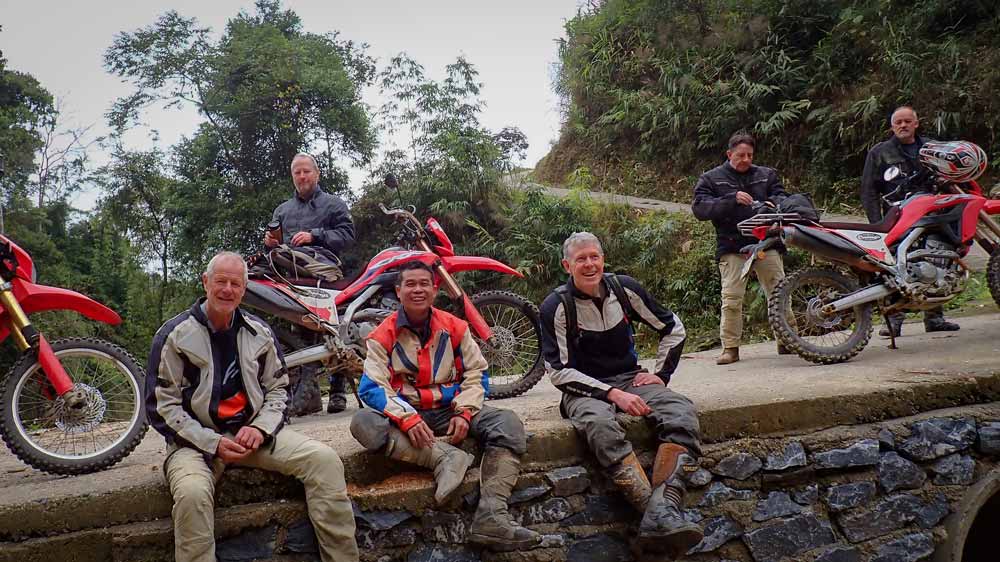
These 2026 routes can be tailored for different bikes, but the dirt gets more enjoyable the lighter and more off-road-ready you are.
If you’re on a bigger ADV bike, the route should prioritize wider dirt roads and avoid the nastier technical climbs after heavy rain.
If you’re on a CRF/enduro style bike, you can add more “spice lines” and explore deeper trail connectors.
Weather and timing
Northern Vietnam has real seasons. Fog, rain, and cold snaps can appear fast in the mountains. Pack layers, waterproof gloves,
and plan for a range of temperatures in one day—especially on the high ridges around Ha Giang, Sapa, and Y Ty.
Respect in villages and markets
Your best experiences come from moving respectfully. Slow down through villages. Don’t rev for attention. Ask before photographing people.
Buy snacks or small goods at markets if you want to support locals. And remember: “remote” doesn’t mean “empty”—it means people live here.